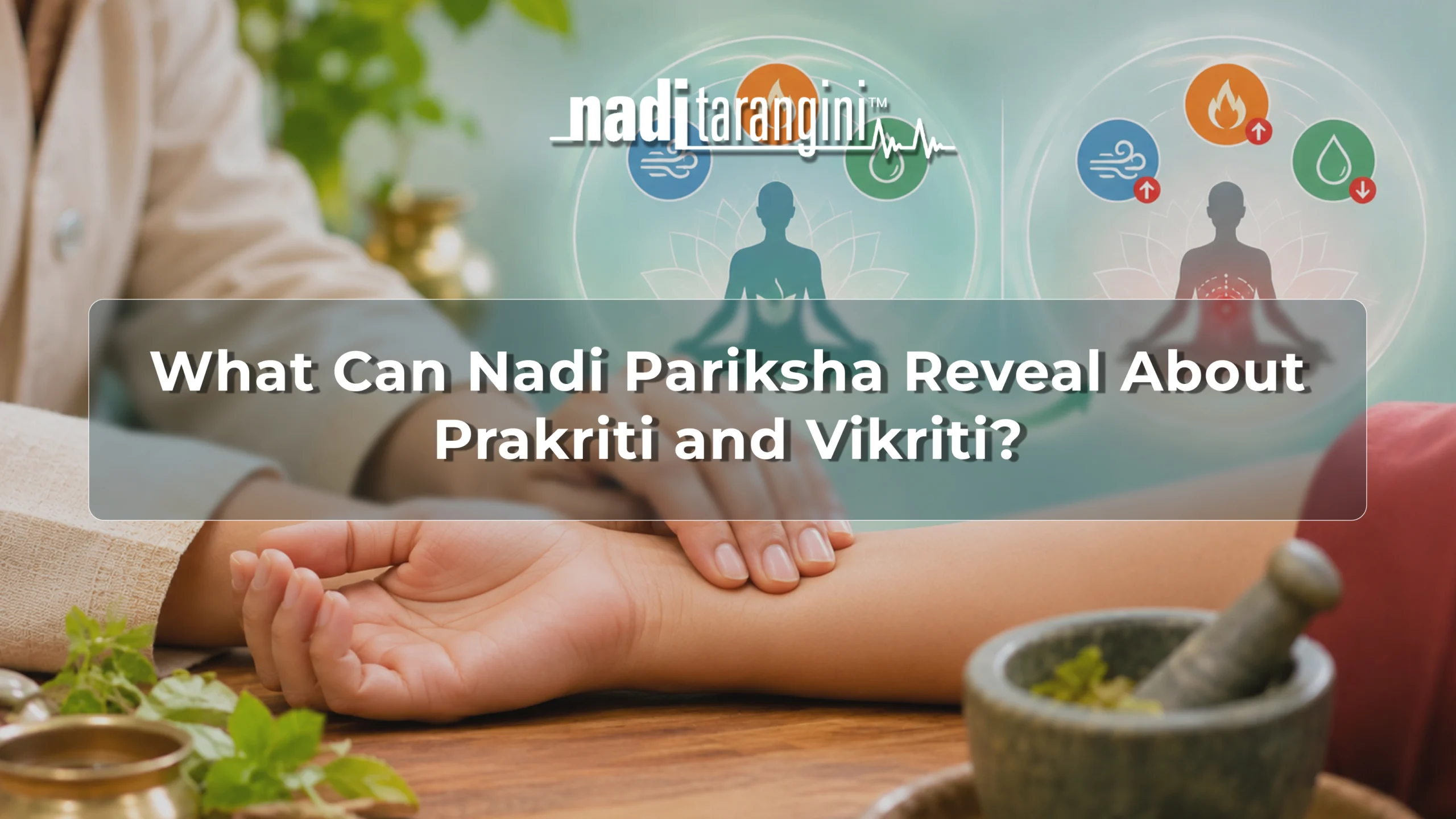
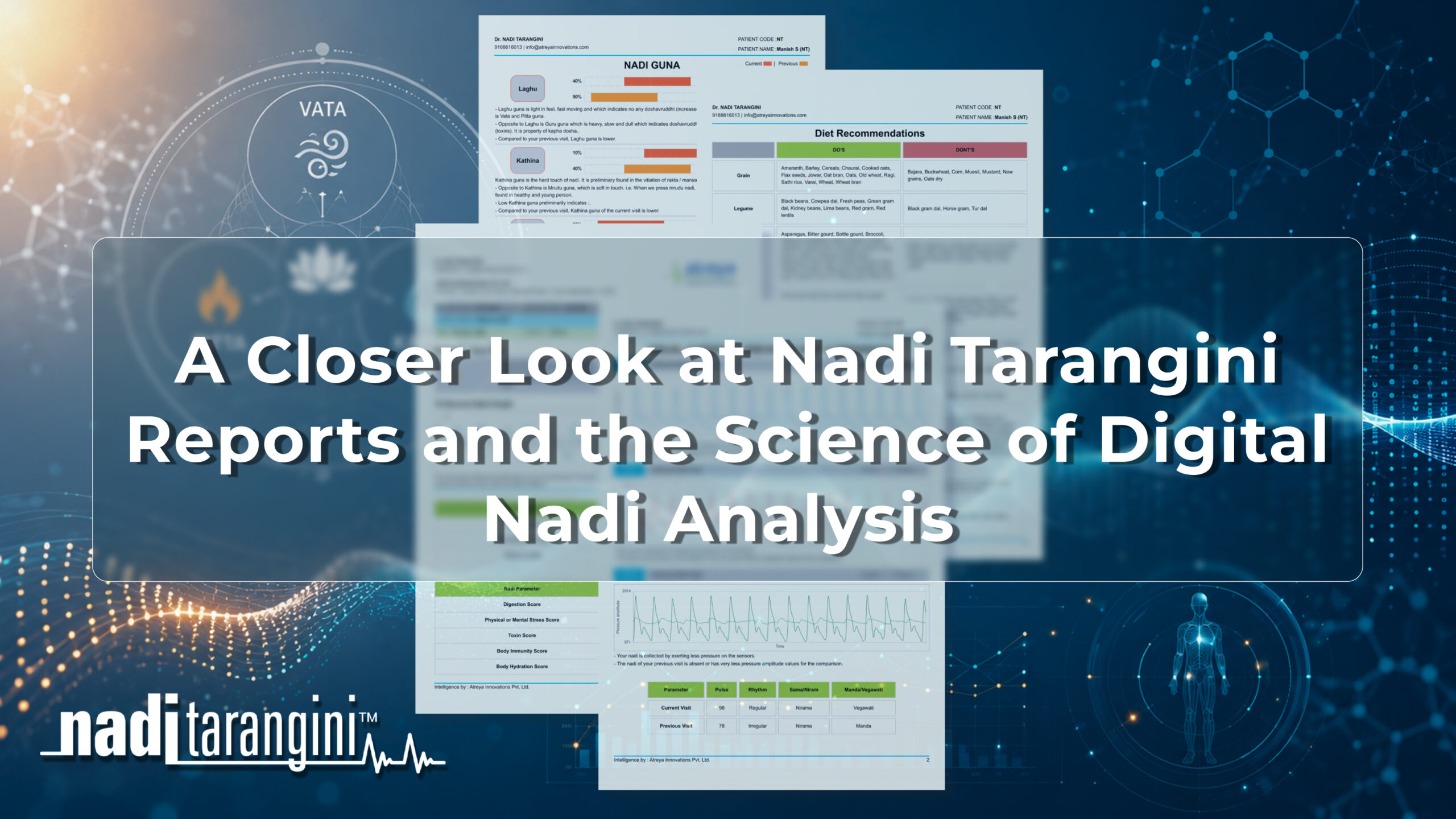
Ayurveda has long recognized Nadi Pariksha (pulse examination) as an important component of clinical assessment. Traditionally, an experienced Vaidya examines the pulse using touch, interpreting its characteristics within the broader context of the patient’s Prakriti, Vikriti, symptoms, lifestyle, and overall …
In Ayurveda, health is not merely the absence of disease; it is a harmonious state of balance between body, mind, and spirit. Ayurveda emphasizes that every individual has a unique constitution and that health depends on maintaining a dynamic balance …
Ayurveda has always emphasized understanding the individual rather than treating every patient through a standardized approach. From assessing Prakruti and Vikruti to understanding Dosha imbalances, Ayurvedic healthcare is rooted in personalized observation, clinical reasoning, and a holistic understanding of health. …
Ayurvedic healthcare is increasingly evolving from individual consultations to integrated, multi-specialist clinical practice. Multi-doctor Ayurveda clinics and Ayurvedic hospitals today may have multiple consultants with expertise in different areas, allowing patients with complex and chronic conditions to receive care from …
The modern Ayurvedic practice is evolving. Patients today are not only looking for an Ayurvedic doctor. They are increasingly looking for expertise, clarity, personalized care, structured consultations, and continuity of care. The next generation of Ayurvedic practitioners is entering a …
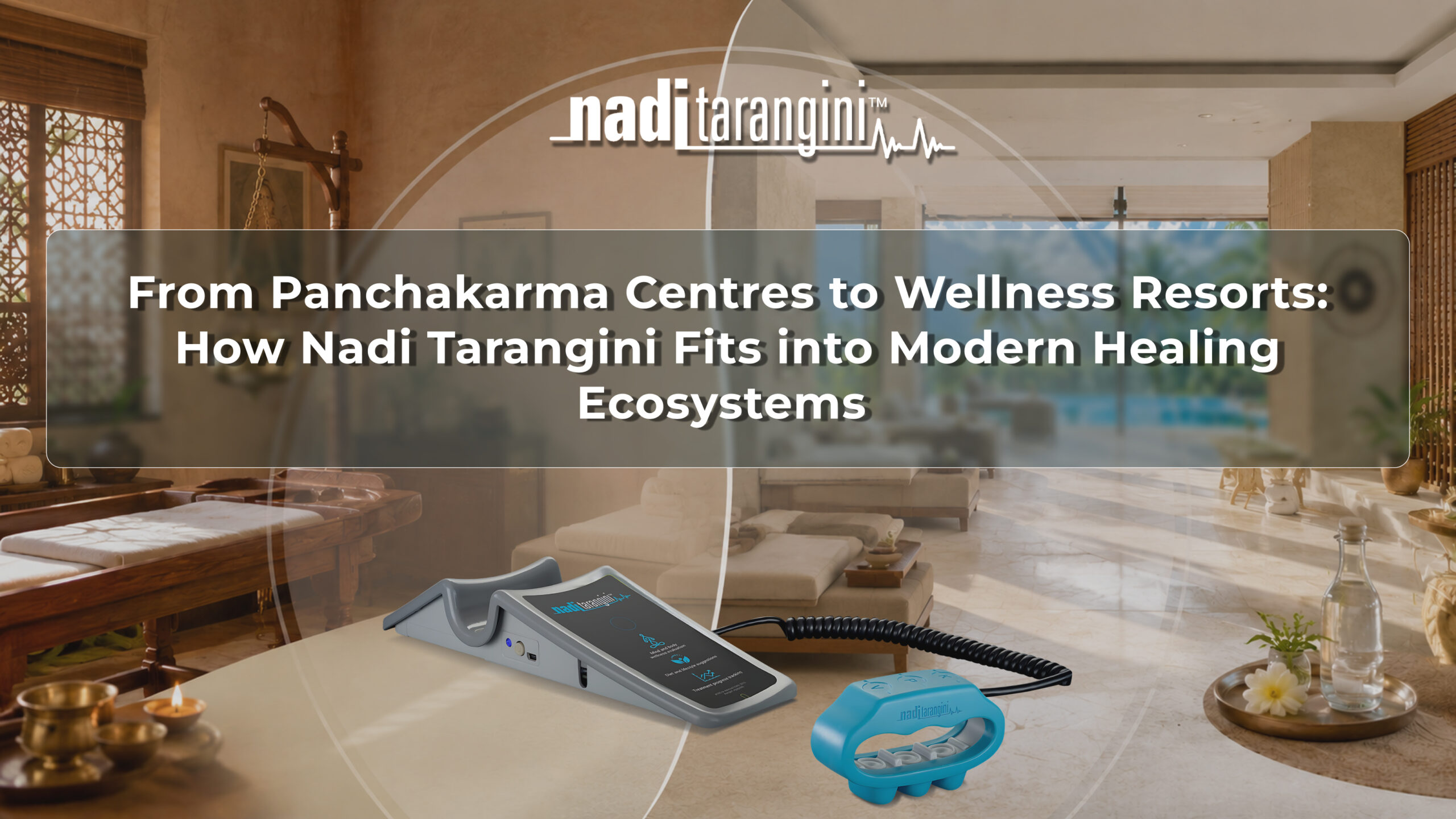
Ayurveda is evolving beyond the traditional boundaries of clinics and Panchakarma centres, establishing a growing presence across wellness resorts, preventive healthcare programs, corporate wellness initiatives, therapeutic retreats, and integrative health centres. As these settings increasingly emphasize personalized, preventive, and measurable …
Ayurveda has always emphasized learning through observation, practice, and continuous clinical exposure. The concept and method of Nidana (Diagnosis) in Ayurveda mainly depends on the understanding of Dosha and prakriti – Vikruti. Ashtavidha Pariksha (eightfold examination) is the main diagnostic …
Accurate diagnosis is the foundation of effective Ayurvedic treatment. Unlike symptom-centric systems of medicine, Ayurveda relies on deep clinical observation, individualized assessment, and root-cause analysis. As Ayurvedic practice scales across clinics and institutions, ensuring diagnostic consistency and documentation becomes increasingly …
For centuries, Nadi Pariksha (pulse examination) has been one of the most valued diagnostic methods in Ayurveda. Through careful palpation of the radial pulse, experienced Ayurvedic physicians can assess the balance of the Tridoshas—Vata, Pitta, and Kapha—along with other functional …
In Ayurveda, patient trust is built through careful observation, personalized guidance, and a strong doctor–patient relationship. However, as healthcare becomes increasingly data-driven, patients often expect clear explanations and tangible evidence of their health progress. This is where digital reports are …